Food vs Retail Franchise: Which Offers the Best ROI in 2026?
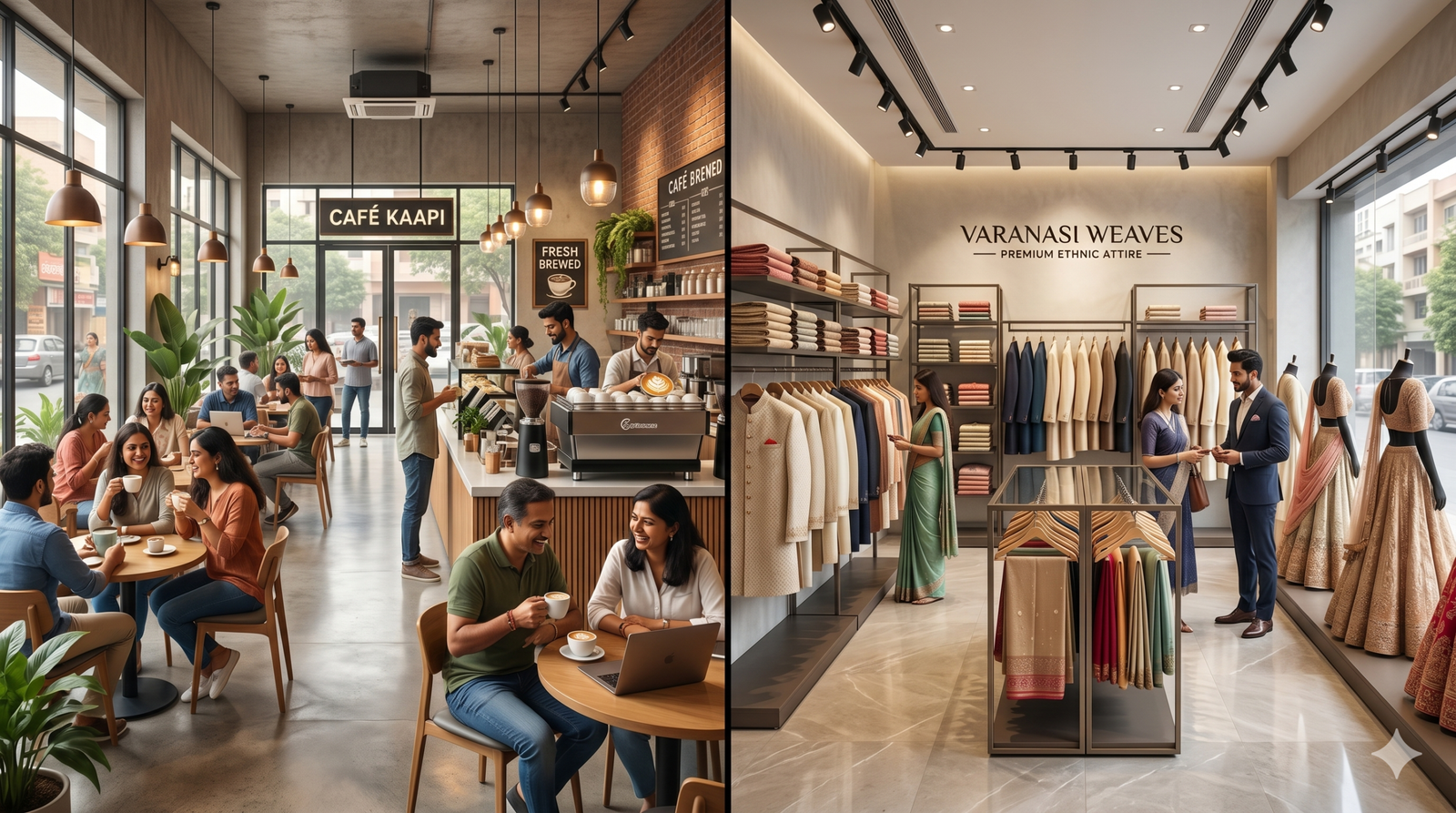
It is the ultimate dilemma for every first-time investor in India: Should I open a food business or a retail store?
Both sectors have produced millionaires, and both have seen spectacular bankruptcies. While Food & Beverage (F&B) offers the allure of massive 50% profit margins, Retail offers operational peace of mind without the nightmare of rotting inventory.
To determine which model offers the best Return on Investment (ROI) in 2026, we need to compare them head-to-head. In this guide, we break down the exact margins, risks, and market trends for the food vs retail franchise in India.
💡 Note: Before you choose a sector, you must understand the legal obligations of franchising. Read our foundational guide: The Ultimate Guide to Starting a Franchise Business in India (2026).
The Food Franchise Model (F&B)
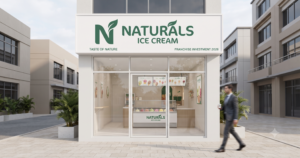
Whether it is a Domino’s Pizza or a small Chai Sutta Bar, the F&B industry is driven by daily, recurring cash flow.
- The Pros: Incredible Gross Margins. A cup of coffee that costs ₹20 to make can sell for ₹150. If the food is good, customer loyalty is instant.
- The Cons: High Operational Headache. F&B is notoriously difficult to manage. You face daily challenges with food spoilage, health inspections, and the incredibly high attrition rate of kitchen staff (chefs and servers).
The Retail Franchise Model (Apparel, Footwear, FMCG)
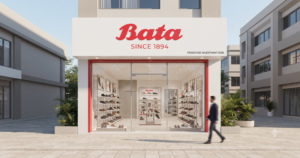
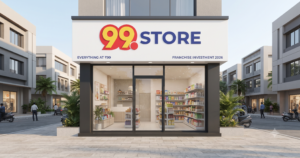
Whether you open an Allen Solly showroom or a 99 Store, retail is about inventory management and real estate location.
- The Pros: Operational Peace of Mind. A leather shoe does not expire if it doesn’t sell today. Staffing is much easier as you only need sales executives, not specialized chefs.
- The Cons: Capital Intensive & Lower Margins. Retail requires massive upfront capital for inventory. The gross margins are strictly fixed by the brand (usually 25% to 35%). You only make money through high-volume sales.
🥊 Head-to-Head Comparison Table
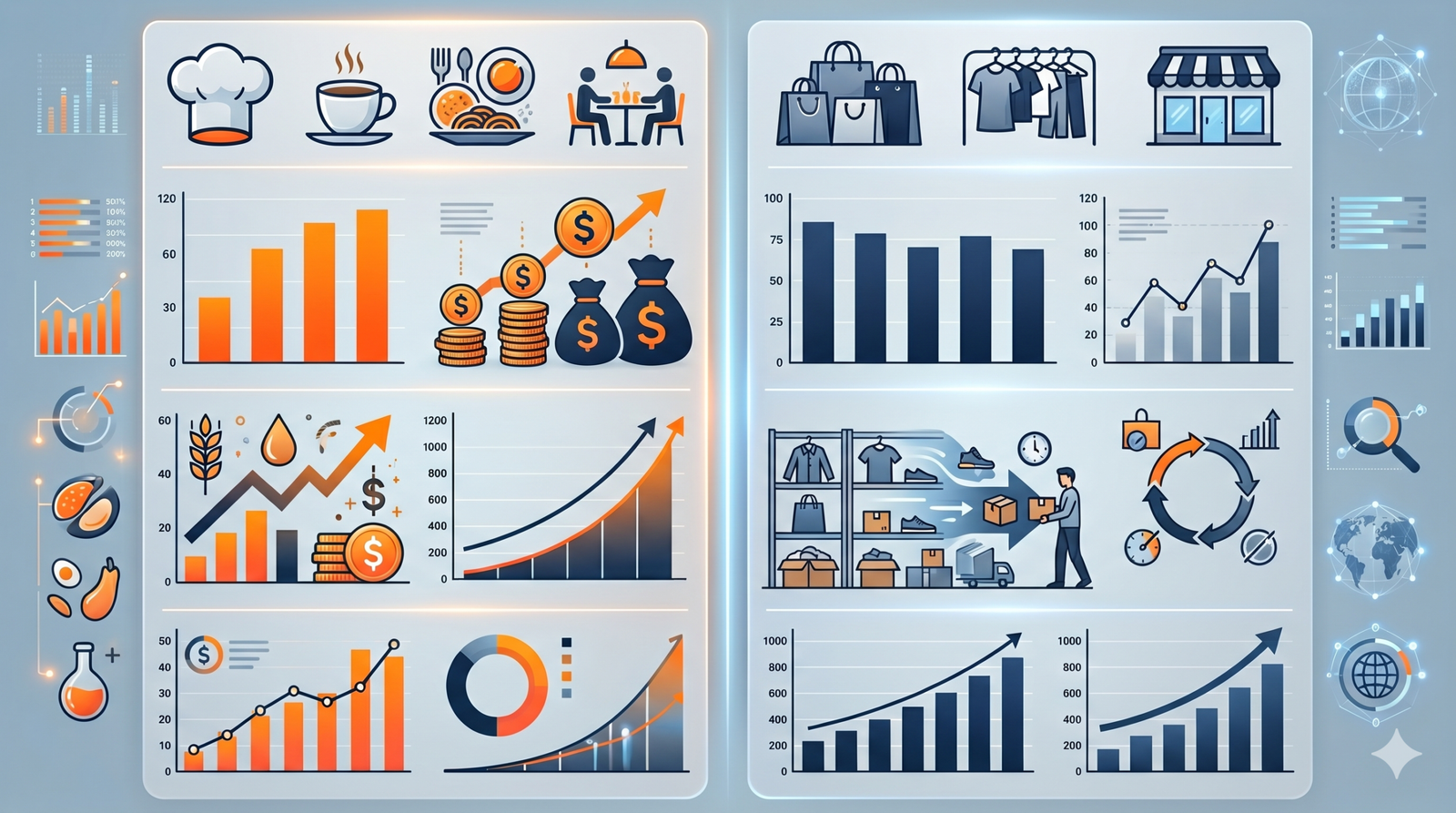
| Business Metric | Food Franchise (F&B) | Retail Franchise (Apparel/Goods) | Winner |
|---|---|---|---|
| Gross Profit Margin | Very High (40% – 60%) | Moderate (25% – 35%) | Food |
| Inventory Spoilage Risk | High (Perishable Goods) | Zero (Non-Perishable) | Retail |
| Staff Dependency | High (Requires trained Chefs) | Low (Requires basic Sales Staff) | Retail |
| Average Break-Even | 12 to 18 Months | 18 to 24 Months | Food |
| Initial Investment | Lower (Kitchen focus) | Higher (Massive Inventory focus) | Food |
📈 Market Trends for 2026
The Indian market is evolving rapidly. Here is what is changing the game this year:
- The Cloud Kitchen Shift: F&B investors are abandoning expensive dine-in restaurants for delivery-only “Cloud Kitchens.” This drastically lowers commercial rent and boosts ROI.
- Retail Goes “Phygital”: Retail franchises are now acting as local fulfillment centers. If someone orders a shirt online via the brand’s website, the local franchisee ships it from their store inventory, creating a secondary revenue stream.
- The Q-Commerce Threat: Standard grocery retail is being heavily threatened by 10-minute delivery apps (Zepto, Blinkit). If you choose retail, focus on “Experience Retail” (like premium clothing or footwear) that people still want to touch and feel.
The Verdict: Which is Better?
There is no universal winner; it depends entirely on your management style:
- Choose a Food Franchise if you want faster ROI, have a high tolerance for daily operational stress, and intend to be present at the store every single day.
- Choose a Retail Franchise if you have deeper pockets, prefer a clean, systematic business, and want an asset you can eventually run passively with a store manager.
Need Help Making the Decision?
Still torn between investing in a bustling cafe or a premium clothing store? Let our analysts review your exact capital budget and recommend the safest brand for your local market.
Contact FranchiseOptions.in for a free investment consultation:
📞 +91 8889900074
✉️ info@franchiseoptions.in