What are the Legal Documents Required to Start a Franchise in India? (2026)
If you are asking Siri or Alexa, “What are the legal documents required to start a franchise in India?” you are not alone. While most investors focus on setup costs and interior designs, the reality is that the legal paperwork is what truly protects your capital.
Without the right licenses, your newly opened restaurant or retail store can be shut down by municipal authorities on day one. Navigating the Indian legal system can be complex, but we have simplified it.
In this complete 2026 guide, we will answer all your top questions and provide a step-by-step checklist to ensure your franchise is 100% legally compliant.
💡 Note: Need to understand the financial side before looking at the legal side? Read our main hub: The Ultimate Guide to Starting a Franchise Business in India (2026).
🎙️ Voice Search Q&A: Your Top Legal Questions Answered
“What is the most important document in franchising?”
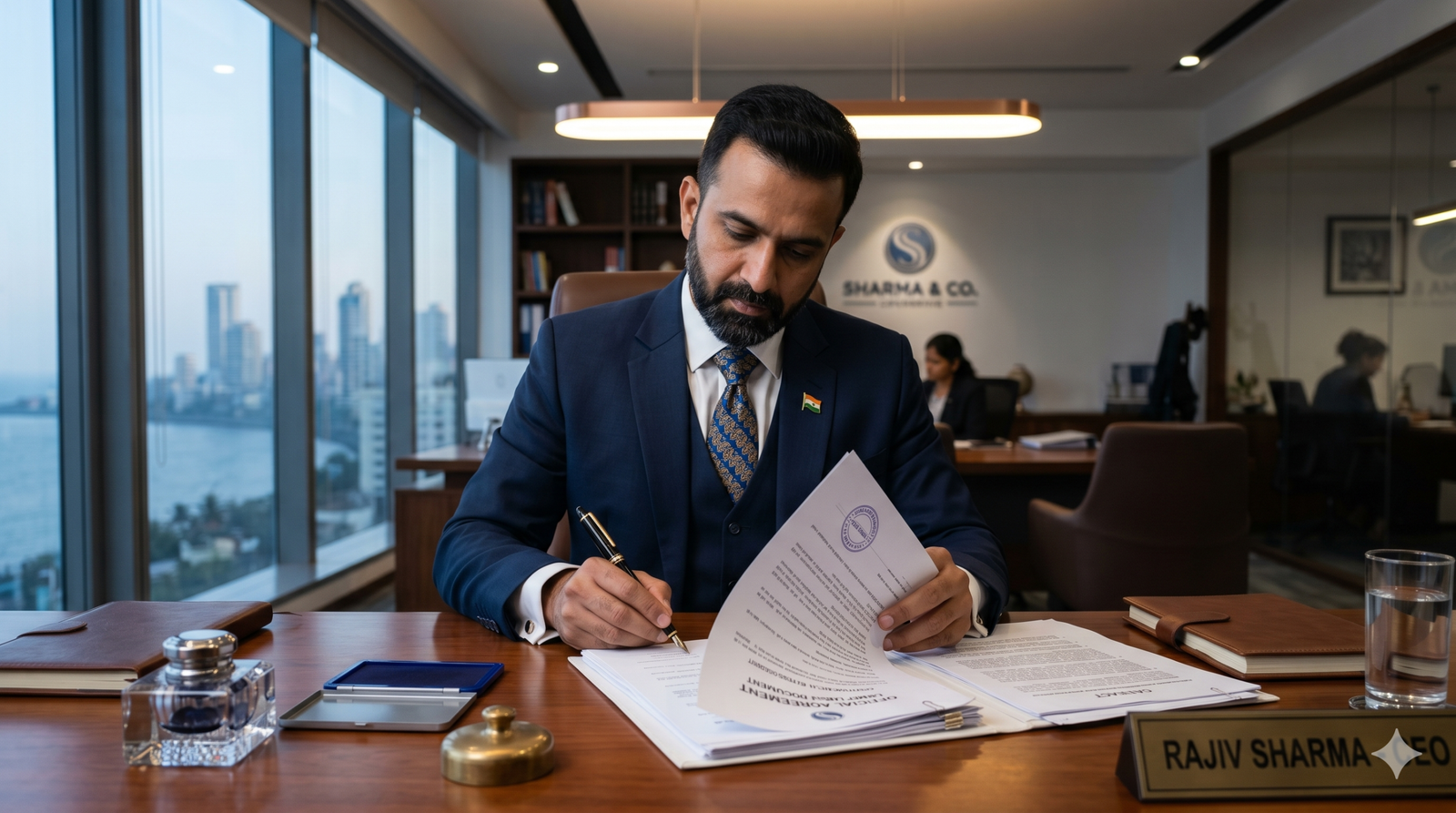
The most critical document is the Franchise Agreement. This is a legally binding contract between you (the Franchisee) and the brand (the Franchisor). It dictates everything from your royalty fees to your geographic territory rights. Never sign this without having a corporate lawyer review the “termination clause.”
“Do I need a GST Number to start a franchise?”
Yes. A GST (Goods and Services Tax) Registration Number is mandatory for almost all commercial franchise operations in India, whether you are selling food, clothing, or services.
“If I open a food franchise, what special license do I need?”
If you are opening a restaurant, cafe, or food kiosk, you legally must obtain an FSSAI (Food Safety and Standards Authority of India) License. You cannot legally sell a single cup of tea without this clearance.
The Complete Legal Checklist (2026)

Here is your exact checklist of the documents required to operate legally in India:
- Business Registration: Proof of your entity (Sole Proprietorship, LLP, or Private Limited Company incorporation certificate).
- Franchise Agreement: The signed master contract on judicial stamp paper.
- GST Registration Certificate: For tax compliance.
- Shop & Establishment Act License: (Gumasta License) Required by local municipal corporations to legally operate a commercial shop.
- Trade License: Issued by the local municipal authority permitting you to carry out a specific trade.
- FSSAI License: (Strictly for F&B businesses only).
- Fire Safety NOC: A No-Objection Certificate from the fire department (especially critical for large showrooms and restaurants).
The Step-by-Step Process for Registration
If you are overwhelmed by the paperwork, here is the exact order in which you should tackle it:
- Step 1: Register Your Entity: Before approaching a brand, register your company (e.g., an LLP) and open a current bank account.
- Step 2: Sign the Lease: Secure your commercial property and register the lease agreement. You will need this as proof of address for all other licenses.
- Step 3: Sign the Franchise Agreement: Review and sign the master contract with the brand.
- Step 4: Apply for GST & Local Licenses: Use your lease agreement to apply for your GST number, Shop & Establishment license, and Trade license simultaneously.
- Step 5: FSSAI & Fire NOC: Apply for food and fire safety clearances while your store interiors are being built.
Don’t Sign the Contract Blindly!
Franchisors have entire legal teams drafting agreements to protect their interests, not yours. You need an expert on your side to review the fine print.
Our team at FranchiseOptions.in can help you review franchise agreements to ensure there are no hidden royalty traps or unfair exit clauses.
Book a confidential legal review consultation today:
📞 +91 8889900074
✉️ info@franchiseoptions.in