Case Study: How a Food Franchise Owner Broke Even in Just 8 Months
When we tell our clients that it is possible to recover a ₹15 Lakh F&B investment in under a year, we are often met with skepticism. In an industry where the average break-even timeline is 18 months, an 8-month ROI sounds like a marketing gimmick.
However, with strict financial discipline and the perfect location, it happens every day.
In this franchise success case study in India, we will pull back the curtain on exactly how one of our clients in a Tier-2 city launched a Quick Service Restaurant (QSR) franchise and recovered 100% of his capital in just 8 months.
💡 Note: To understand the math behind this case study, please read our main guide: The Ultimate Guide to Starting a Franchise Business in India (2026).
The Setup: A Tier-2 QSR Investment
The Investor: Rohan, a 28-year-old first-time entrepreneur.
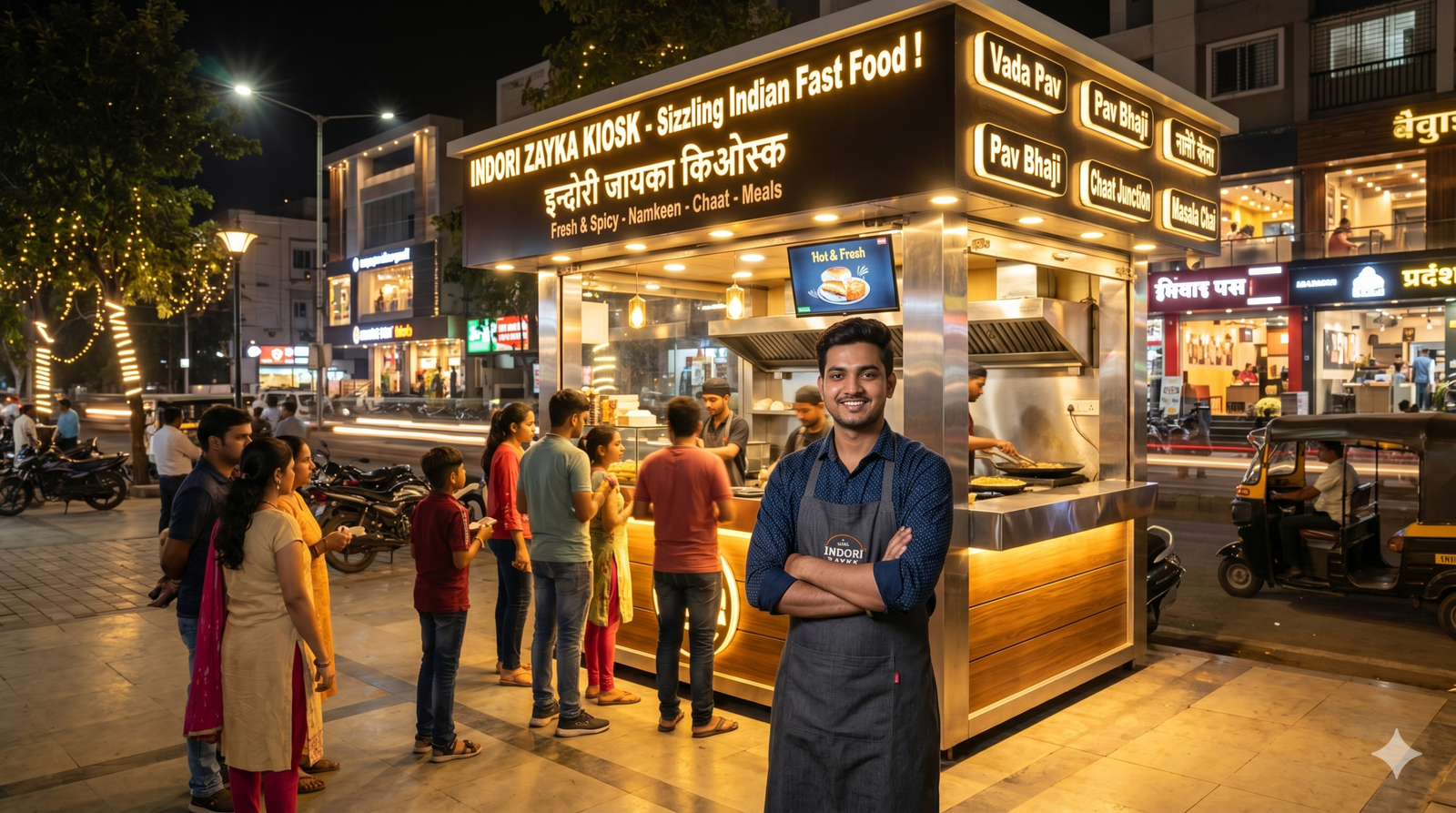
The Location: Indore, Madhya Pradesh (A high-growth Tier-2 market).
The Business Model: A popular pure-vegetarian fast-food franchise (Burgers and Fries).
The Initial Capital Breakdown:
- Franchise Fee: ₹3,00,000
- Interiors & Kitchen Setup: ₹8,00,000
- Security Deposit (Rent): ₹2,00,000
- Working Capital & Licenses: ₹2,00,000
- Total Sunk Cost: ₹13,00,000 (Note: We excluded the refundable rent deposit from the break-even math).
🔬 Our Methodology: How We Secured the Location

The secret to Rohan’s massive success wasn’t the food—it was the real estate strategy we deployed before he signed the lease.
- The “12% Rent” Rule: Rohan found a beautiful high-street shop demanding ₹80,000/month. We advised him to reject it. Instead, we secured a slightly smaller 300 Sq. Ft. shop near a major university campus for ₹45,000/month. This kept his commercial rent well below 12% of his projected sales.
- Aggressive Swiggy/Zomato Optimization: We knew the student demographic ordered late at night. Rohan kept the kitchen open until 2:00 AM, capturing the midnight delivery rush when all competitors were closed.
- Zero “Vanity” Capex: Rohan did not spend money on imported Italian tiles or luxury seating. He built a highly efficient, clean takeaway and delivery counter. Every rupee went into kitchen speed, not vanity.
The Month-by-Month Financials
Here is the exact trajectory that led to an 8-month break-even:
- Months 1-2 (The Launch): Average daily sales were ₹12,000. After rent, food costs (40%), and staff salaries, net profit was negligible.
- Months 3-4 (Gaining Traction): Swiggy algorithms began pushing the store due to fast prep times. Daily sales hit ₹20,000. Net profit reached ₹1.2 Lakhs/month.
- Months 5-7 (The Boom): College exams started, driving massive late-night orders. Daily sales averaged ₹30,000. Net profit surged to ₹2.5 Lakhs/month.
- Month 8 (Break-Even Achieved): By the end of the 8th month, the accumulated net profits officially crossed the ₹13 Lakh initial sunk cost.
From Month 9 onward, Rohan was generating pure, debt-free profit.
3 Key Takeaways for New Investors
If you want to replicate this success story, remember these three rules:
- Do not overpay for rent. A premium location is useless if the rent eats your entire margin.
- Understand your demographic’s schedule. Rohan won because he stayed open when students were actually hungry (midnight), rather than following standard 10 AM to 10 PM hours.
- Efficiency over aesthetics. For a QSR, customers care about fast, hot food, not expensive chairs.
Want to Write Your Own Success Story?
Rohan’s success wasn’t luck; it was the result of aggressive financial planning and expert real estate negotiation. If you are ready to invest in a franchise but want to ensure you don’t fall into the common traps that lead to failure, we can help.
Contact FranchiseOptions.in for a strategic business consultation:
📞 +91 8889900074
✉️ info@franchiseoptions.in